
What to Expect on Your Wildlife Safari in Uganda: A Complete Guide
What to Expect on Your Wildlife Safari in Uganda, A wildlife safari in Uganda is one of the most unforgettable experiences Africa has to offer. From the lush rainforests of Bwindi and Mgahinga to the savannahs of Queen Elizabeth and Kidepo Valley, Uganda presents diverse landscapes and a wealth of wildlife. Whether you’re a first-time safari-goer or an experienced traveler, understanding what to expect will help you make the most of your adventure.
1. Preparing for Your Uganda Safari
Proper planning is key to enjoying your Uganda safari experience. Start by booking your permits for gorilla trekking, chimpanzee tracking, and national park visits well in advance (Gorilla Trekking in Bwindi). Decide which parks to visit based on the type of wildlife you want to see, and consult your safari operator for an itinerary that fits your schedule and physical ability.
Packing Essentials
- Lightweight clothing for daytime, warmer layers for mornings and evenings
- Waterproof jacket and sturdy hiking boots for trekking and rainy season visits
- Binoculars and a good camera for wildlife photography
- Insect repellent and basic first-aid kit
- Guidebooks and maps for birding or game identification
For more detailed packing advice, see our Packing List for Gorilla Trekking in Uganda.
2. Typical Safari Itinerary
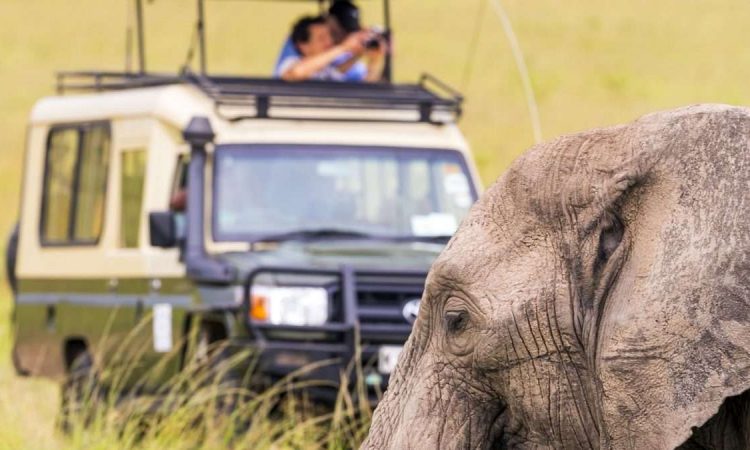
A typical wildlife safari in Uganda involves a combination of game drives, gorilla or chimpanzee trekking, and cultural visits. Most safaris range from 4 days to 10 days depending on your interests and available time. Game DrivesGame drives are usually conducted in the morning and late afternoon hours, which are the best times for wildlife sightings. In Queen Elizabeth National Park, you may see lions, elephants, hippos, leopards, and various antelope species. In Kidepo Valley, expect a more remote experience with buffalo, giraffes, zebras, and large predators like cheetahs.
Gorilla Trekking
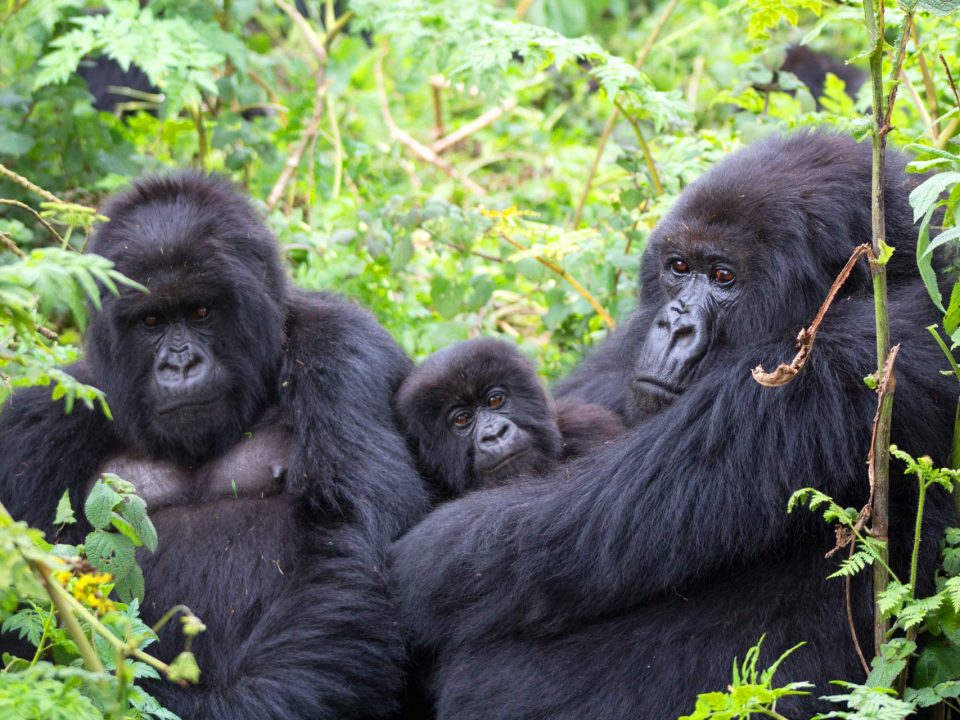
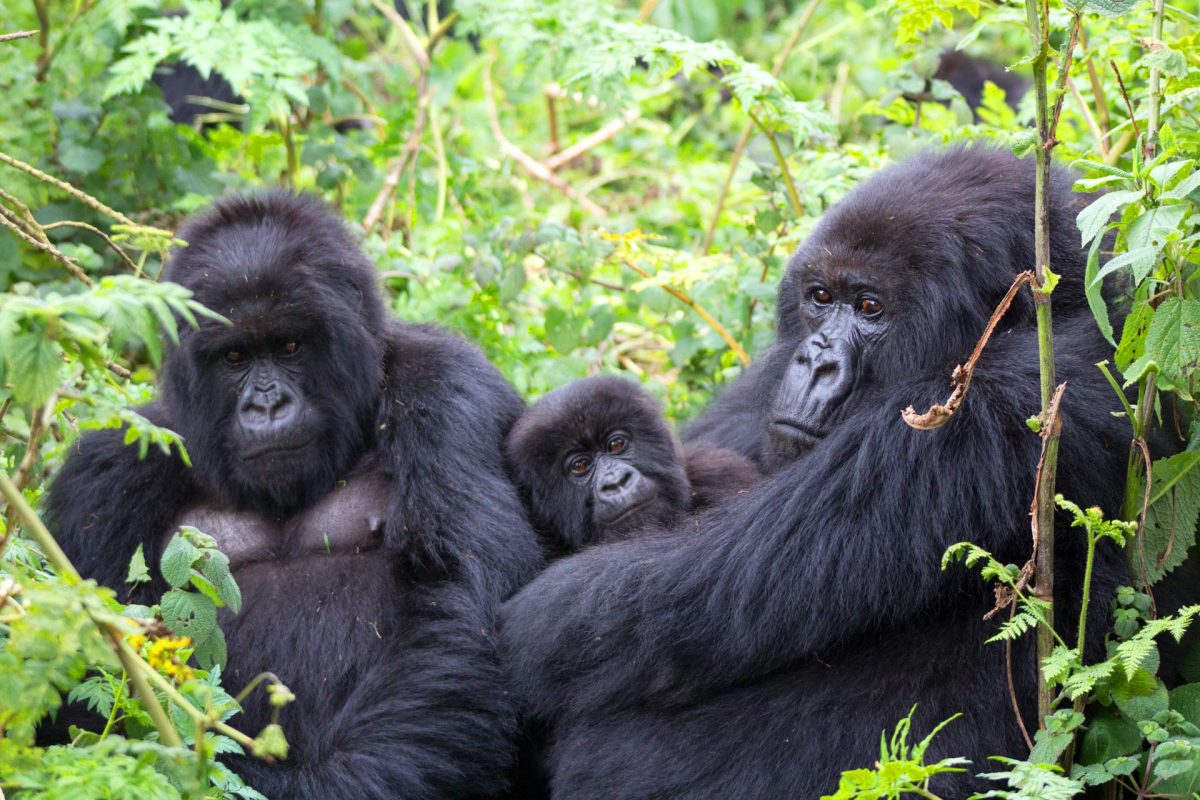
No Uganda safari is complete without gorilla trekking. Bwindi Impenetrable Forest and Mgahinga Gorilla National Park offer guided treks to encounter mountain gorillas in their natural habitat. Treks can take 2–6 hours depending on the gorilla family’s location and terrain difficulty. Ensure you are physically prepared (Physical Fitness Required for Gorilla Trekking in Uganda). Chimpanzee Tracking Kibale Forest is the prime destination for chimpanzee tracking. Treks here are generally shorter and easier than gorilla treks, lasting 2–5 hours. You’ll enjoy the chance to see chimpanzees feeding, playing, and interacting in their natural environment.
Birding
Uganda is a birding paradise, with over 1,070 recorded species. If birdwatching is part of your safari, early mornings are ideal. Look for rare species such as the shoebill in Mabamba Bay (BirdLife International) and African finches and sunbirds throughout the national parks.
3. Safari Accommodation
Accommodations range from luxury lodges to mid-range camps and community-run eco-lodges. Staying near the park entrances saves travel time and allows early starts for game drives and treks. Some popular options include lodges in Bwindi, Queen Elizabeth, and Kidepo.
4. Wildlife Viewing Tips
- Wake early—wildlife is most active in the mornings and late afternoons.
- Keep a safe distance from animals—follow your guide’s instructions at all times.
- Bring binoculars for spotting elusive species in dense forests or savannahs.
- Stay quiet and patient—often the best sightings happen after long periods of observation.
5. Cultural Encounters
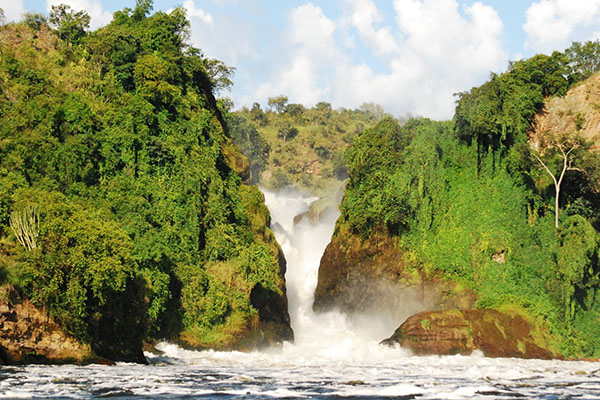
Uganda’s safaris often include opportunities to meet local communities. Visit Batwa communities near Bwindi, or explore cultural villages near Murchison Falls. These experiences enrich your safari, providing insight into local traditions, crafts, and daily life.
6. What to Expect on the Ground
Expect a mix of terrains: dirt tracks, forest paths, and savannah roads. Vehicles are generally 4x4s suitable for off-road conditions. During the wet season, some roads may be muddy, so flexibility in scheduling is important. Guides will adapt your itinerary to ensure maximum wildlife sightings and comfort.
7. Safety and Etiquette
- Always follow your guide’s instructions for safety and wildlife protection.
- Do not feed or approach animals.
- Maintain a respectful distance during gorilla or chimpanzee encounters.
- Carry hand sanitizer and wash your hands before and after treks.
8. Seasonality Considerations
While a wildlife safari in Uganda is possible year-round, the dry seasons (December–February & June–August) offer easier access and better wildlife visibility (Best Time for Wildlife Safaris in Uganda). The wet seasons bring lush scenery and great birding opportunities, but expect some muddy trails.
9. Booking Your Safari
Book through reputable safari companies to secure permits, accommodations, and experienced guides (Bwindi Uganda Gorilla Trekking). Advanced booking is particularly important for gorilla permits, which are limited and in high demand.
Conclusion
A wildlife safari in Uganda offers an extraordinary combination of adventure, wildlife, and cultural experiences. Expect early mornings, breathtaking wildlife encounters, and unforgettable memories. By preparing properly, following guide instructions, and understanding what to expect, your Uganda safari will be a once-in-a-lifetime journey into one of Africa’s most wildlife-rich countries. Start planning your safari today and explore Uganda’s remarkable wildlife from mountain gorillas and chimpanzees to lions, elephants, and rare birds. Visit Uganda Wildlife Authority for official park information and permits, and UNESCO for Bwindi Impenetrable National Park details.
Uganda Safari Overview: What to Expect by Park & Activity
| Park/Location | Main Activities | Wildlife Highlights | Best Season | Tips |
|---|---|---|---|---|
| Bwindi Impenetrable Forest | Gorilla Trekking, Nature Walks, Cultural Visits | Mountain Gorillas, Primates, Forest Birds | Dry: Dec–Feb, Jun–Aug | Book permits early; wear hiking boots; carry waterproof gear in wet season |
| Mgahinga Gorilla National Park | Gorilla Trekking, Golden Monkey Tracking, Volcano Hikes | Mountain Gorillas, Golden Monkeys, Forest Birds | Dry: Dec–Feb, Jun–Aug | Trails can be steep; bring snacks and water |
| Queen Elizabeth National Park | Game Drives, Boat Cruises, Birding | Lions, Elephants, Hippos, Buffalo, Crocodiles | Dry: Dec–Feb, Jun–Aug; Wet: Mar–May (lush landscapes) | Morning and late afternoon are best for game drives; bring binoculars |
| Kidepo Valley National Park | Game Drives, Safari Tours | Lions, Leopards, Giraffes, Zebras, Buffalo | Dry: Dec–Feb, Jun–Aug | Remote area; expect long drives; carry sufficient water and snacks |
| Kibale Forest National Park | Chimpanzee Tracking, Nature Walks, Birding | Chimpanzees, Colobus Monkeys, Forest Birds | Dry: Dec–Feb, Jun–Aug | Bring binoculars; wear long sleeves to avoid insects |
| Mabamba Bay / Entebbe | Shoebill Birding, Boat Trips | Shoebills, Kingfishers, Waterbirds | Dry: Dec–Feb, Jun–Aug; Wet: Sep–Nov (birds more active) | Early morning visits give the best chance to see shoebills |