Ngorongoro Crater Safari Tours in Tanzania
April 14, 2026
3 Days Murchison Falls Safari
April 21, 2026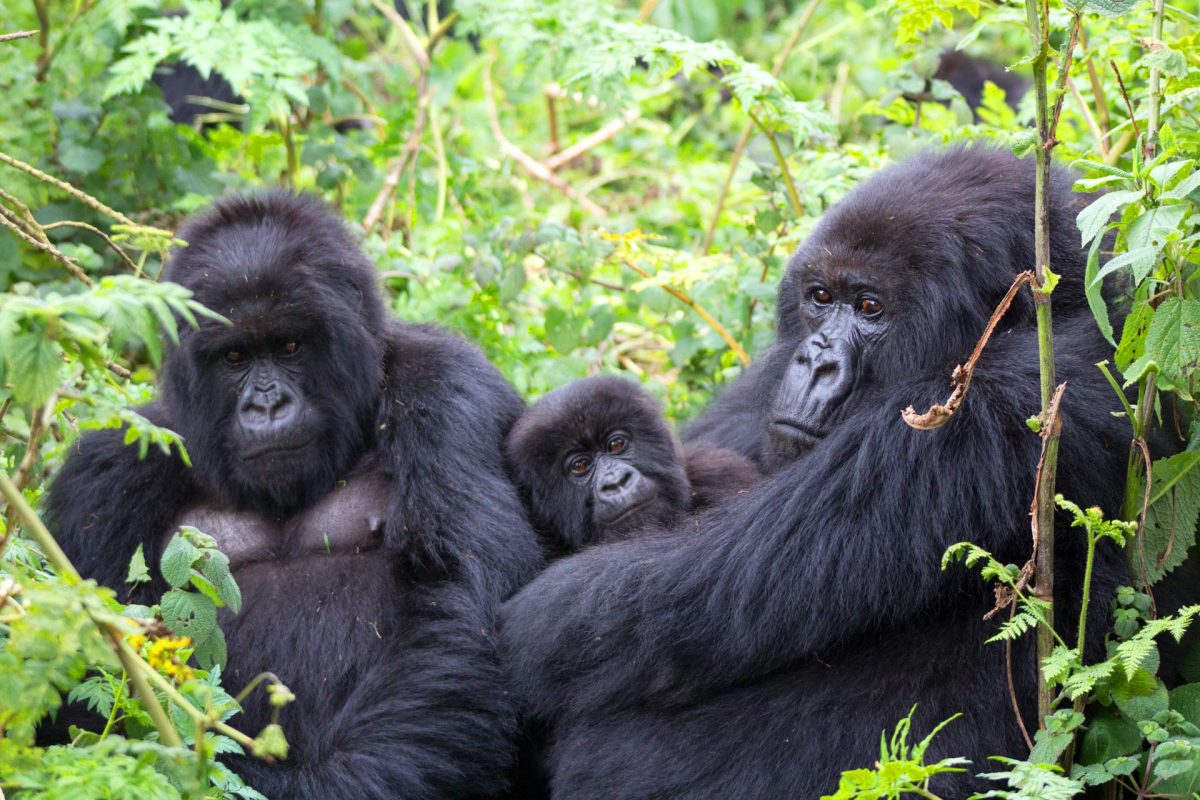
How to prepare for gorilla trekking in Uganda
How to prepare for gorilla trekking in Uganda : For many travelers, coming face-to-face with a mountain gorilla in its natural habitat is a life-changing experience. Uganda, home to more than half of the world’s remaining mountain gorillas, offers one of the most intimate and adventurous encounters through gorilla trekking in Bwindi Impenetrable Forest. But to ensure this once-in-a-lifetime journey is safe, enjoyable, and memorable, it’s important to understand how to prepare for gorilla trekking in Uganda.
Why Choose Uganda for Gorilla Trekking?
Uganda offers some of the best gorilla trekking experiences in Africa, particularly in the renowned Bwindi Impenetrable National Park and Mgahinga Gorilla National Park. Bwindi alone is home to over 20 habituated gorilla families and a UNESCO World Heritage site known for its dense rainforest, rich biodiversity, and thrilling trekking terrain. Uganda is also more affordable than neighboring Rwanda, making it ideal for both budget and luxury travelers.
Below are the recommended and essential requirements for persons planning for gorilla trekking. How to prepare for gorilla trekking in Uganda
1. Booking Your Gorilla Trekking Permit
The first and most crucial step in preparing for a gorilla trek in Uganda is obtaining a gorilla permit. The Uganda Wildlife Authority (UWA) issues a limited number of permits daily, currently priced at USD 800 for foreign non-residents, USD 700 for foreign residents, and UGX 300,000 for East African citizens.
Tips for booking:
- Book 3–6 months in advance, especially for peak seasons (June–September, December–February)
- Choose the sector based on your preferred accommodation and trekking difficulty
- Use a reputable tour operator like Bwindi Uganda Gorilla Trekking for convenience and security
2. Selecting the Right Sector of Bwindi Impenetrable Forest
Bwindi is divided into four main sectors, each offering unique experiences:
- Buhoma – The original sector with excellent lodges and easier hikes
- Ruhija – Cooler, less crowded, and moderately challenging
- Rushaga—Known for multiple habituated families, and also offers gorilla habituation experiences
- Nkuringo – Remote and physically demanding, but highly scenic
Your assigned sector influences your accommodation, trek length, and gorilla family, so choose wisely or consult your tour provider for guidance.
3. Physical Preparation for Gorilla Trekking
Gorilla trekking in Uganda is not a casual walk in the park. It requires a high level of fitness, especially in the hilly and forested terrain of Bwindi. Treks can last from 2 to 8 hours, depending on the location of the gorilla family.
Recommended physical preparation:
- Cardio training (e.g., hiking, jogging, stair climbing) 2–3 months prior
- Strengthen leg muscles and core stability
- Practice walking with a loaded backpack
- Stretch regularly to increase flexibility and reduce injury
Note: Altitude in Bwindi ranges between 1,160 and 2,600 meters. If you’re not accustomed to hiking at elevation, prepare accordingly.
4. What to Pack for a Gorilla Trek in Uganda
Packing the right gear can make or break your gorilla trekking experience. Uganda’s rainforest climate means muddy trails, sudden downpours, and thick vegetation are all part of the adventure.
Essential packing checklist:
| Item | Why It’s Important |
|---|---|
| Waterproof hiking boots | For stability and traction on uneven, slippery trails |
| Long-sleeved shirt and trousers | Protection against scratches, insects, and the sun |
| Rain jacket or poncho | Rain can fall at any time, even in the dry season |
| Gardening gloves | Help when grabbing thorny plants or crawling |
| Hat and sunglasses | Shield from the sun in open areas |
| Backpack | To carry water, snacks, and essentials |
| Reusable water bottle | Stay hydrated during the trek |
| Camera with a zoom lens | For quality shots, flash is prohibited |
| Binoculars | Optional, for bird watching and spotting primates |
| Insect repellent | Protection from mosquitoes and biting insects |
5. Health and Safety Preparation
Your health is crucial for gorilla trekking, not only for your well-being but also to protect the gorillas, who can catch human illnesses.
Health requirements and precautions:
- COVID-19: Proof of vaccination or a negative test may still be required
- Yellow Fever: Vaccination certificate is mandatory for entry into Uganda
- Malaria: Bring anti-malarial medication and use mosquito nets and repellents
- Travel Insurance: Ensure it covers adventure travel, medical evacuation, and trip cancellation
6. Understanding the Gorilla Trekking Experience
On the day of your trek, you’ll gather at the park headquarters around 7:30 AM for a safety briefing. You’ll be assigned to a group of eight trekkers along with guides, armed rangers, and trackers.
What happens during the trek:
- Trackers go ahead to locate the gorillas and communicate with the guides
- Treks may vary in difficulty and length depending on gorilla movement
- Once located, you’re allowed a maximum of one hour with the gorillas
- Photography is allowed, but no flash and no loud sounds
Expect to witness incredible behaviors—silverbacks asserting dominance, juveniles playing, or mothers nursing their young. These moments are raw, emotional, and unforgettable.
7. Hiring a Porter
Hiring a porter is highly recommended—not just for carrying your backpack, but also for helping you through challenging terrain. Most porters are locals, and this offers an excellent way to support the community.
Cost: USD 15–20 (plus optional tip)
8. Best Time to Trek Gorillas in Uganda
Gorilla trekking in Uganda is possible year-round, but the dry seasons—from June to September and December to February—are the most popular times due to easier hiking conditions.
Wet seasons (March–May and October–November) offer lush greenery, fewer crowds, and better photography conditions but involve more challenging hikes.
9. Where to Stay Before and After the Trek
Choose your lodge based on your assigned sector. Staying nearby the night before the trek ensures timely arrival and a restful start.
Recommended lodges:
- Buhoma Lodge – Luxury, close to park HQ
- Ichumbi Gorilla Lodge – Mid-range, close to Rushaga gate
- Broadbill Forest Camp – Budget, Ruhija sector
- Clouds Mountain Gorilla Lodge – High-end, Nkuringo
Many lodges offer early breakfasts, packed lunches, Wi-Fi, and even massage services after the trek.
10. Cultural and Community Experiences
Enhance your Uganda safari by engaging in local experiences such as:
- Batwa pygmy cultural encounters
- Village walks and homestays
- Craft markets and storytelling sessions
These activities help support conservation and empower local communities.
11. Combine Gorilla Trekking with Other Uganda Adventures
After your gorilla trek, you can explore other attractions in Uganda:
- Chimpanzee tracking in Kibale National Park
- Game drives in Queen Elizabeth National Park
- Murchison Falls boat cruises and wildlife safaris
- Lake Bunyonyi for relaxation and canoeing
Final Thoughts
Knowing how to prepare for your gorilla trek in Uganda helps ensure a smooth, rewarding, and life-affirming adventure. From permits and physical fitness to gear and local engagement, your preparation sets the tone for this incredible journey. Whether you’re trekking through the misty hills of Bwindi or sharing silent moments with a silverback, you’ll come away forever changed.
Ready to plan your gorilla trek? Contact Bwindi Uganda Gorilla Trekking for expert help with booking, accommodation, and personalized itineraries.
Request for A Safari Quotation
We would love to hear from you. Fill in the brief form below to get a free quote or advice for your gorilla trek & Widlife. You can email us directly via info@wildlife-gorillasafaris.com or reach us on WhatsApp via +256782544311